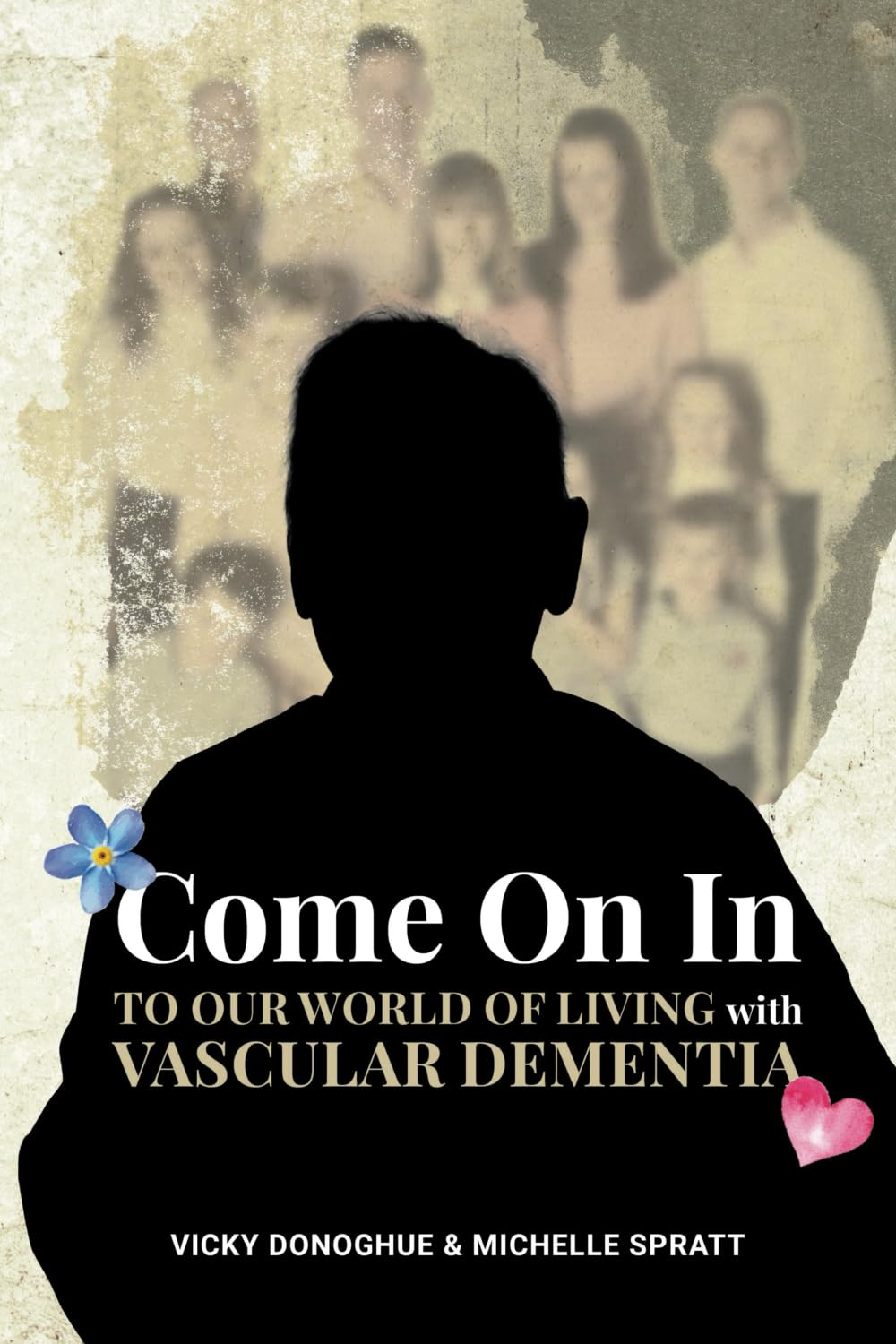
Dementia often feels like an uninvited guest, creeping silently into the lives of families and unraveling the threads of normalcy. For Vicky Donoghue and her daughter, Michelle Spratt, this reality hit hard when Vicky’s husband, John, began exhibiting subtle but troubling changes. Their journey, chronicled in Come On In: To Our World of Living with Vascular Dementia, provides a deeply human perspective on recognizing the early signs of this cruel disease.
John’s story is a poignant reminder that dementia is not just about forgetfulness in the elderly. Vascular dementia, in particular, can strike unexpectedly and manifest in ways that are easy to dismiss or misinterpret. John, once a charismatic and sharp-witted man, began showing signs that, at first glance, seemed like everyday quirks.
Vicky recalls an incident when John abruptly stopped teaching line dancing, a beloved activity he had been passionate about. His uncharacteristic irritation during classes—like snapping at students for being too loud—was brushed off as a bad day. At home, he struggled to follow television shows, often asking Vicky what had happened during the few minutes she was away making tea. She filled in the blanks for him, not realizing that these moments were early indicators of something far more serious.
Another red flag appeared when John, who had always been meticulous about his appearance, started losing things and forgetting names. These lapses were initially attributed to stress or aging. Then came the more jarring episodes: he returned home one day with a bundle of fake designer clothes, swindled by a con artist who had tricked him into withdrawing hundreds of pounds. For a man known for his sharp judgement , this was entirely out of character.
Vascular dementia doesn’t just affect memory—it impacts mood, judgement , and cognitive abilities. John’s once-polite demeanor began to erode. He made inappropriate jokes and comments, embarrassing his family in public. The disease also clouded his ability to perform everyday tasks. A former engineer who had navigated local hometown streets like the back of his hand, he once drove a delivery van back to their home with undelivered goods, confused and disoriented.
The tipping point came when John started getting lost on routine outings. Vicky’s worst fears were realized when he wandered off during a shopping trip, leaving her frantic and searching. This unpredictability made her realize that what they were witnessing wasn’t ordinary forgetfulness—it was the work of a more sinister force.
For Vicky and Michelle, recognizing these signs was a process of piecing together a puzzle they didn’t know they were solving. Their experiences, detailed in Come On In, underline an important truth: early symptoms of vascular dementia can be subtle and easily dismissed. The family’s initial denial—a common response—only delayed their understanding of what was truly happening.
So, how can others recognize these early signs in their loved ones? Pay attention to unexplained changes in personality, judgement , and daily routines. Is a normally social person withdrawing? Are they losing interest in hobbies? Do they seem to struggle with tasks they once managed effortlessly? Look beyond forgetfulness and observe mood swings, increased irritability, or confusion over time and place.
But more importantly, don’t dismiss these signs as “just aging.” Seek medical advice early. A thorough diagnosis can provide clarity and allow families to access resources and support systems sooner.
John’s story is heartbreaking, but it’s also a testament to love, patience, and resilience. For Vicky and Michelle, sharing their journey wasn’t just about recounting the pain—it was about offering hope and solidarity to others navigating similar paths. “We hope our experiences will support you on your journey and help you find your own way to cope,” Vicky writes.
Vascular dementia may steal memories and alter personalities, but it also reveals the depths of human strength and the power of family bonds. Recognizing the early signs is the first step in facing this journey with courage and compassion. As Vicky and Michelle’s story reminds us, you are not alone.