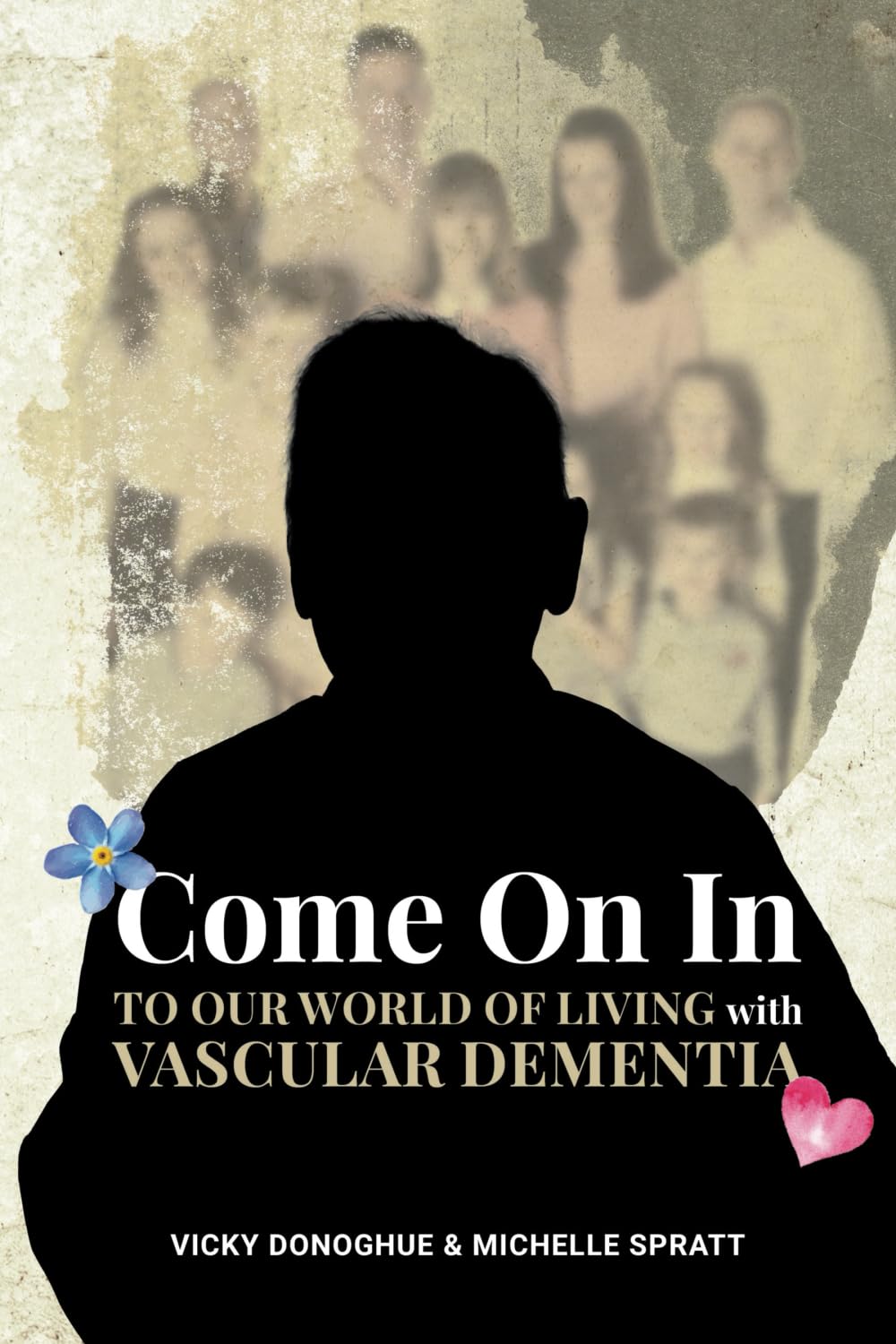
Dementia doesn’t just alter the life of the person it claims; it reshapes the lives of everyone around them. For families, it becomes an unrelenting storm—a mix of guilt, grief, and moments of gratitude that provide small glimpses of light. Vicky Donoghue and her daughter, Michelle Spratt, share this intricate emotional journey in their book, Come On In: To Our World of Living with Vascular Dementia. Their story is a deeply human testament to the profound impact of this cruel disease on family bonds.
John, Vicky’s husband and Michelle’s father, was a man of warmth and charisma. His magnetic personality drew people in, and his devotion to his family was unmatched. But vascular dementia stole that essence bit by bit, leaving behind a man who was at times unrecognizable. For Vicky, caring for John meant watching the love of her life slowly fade away. For Michelle and her siblings, it meant reconciling their cherished memories of their father with the harsh reality of his transformation.
The grief of dementia is unique—it begins long before death. Vicky speaks of mourning the “old John” as his personality eroded. Once kind and patient, John began displaying aggression, paranoia, and inappropriate behavior. The man who had always been a beacon of love and laughter now hurled insults and lashed out at those closest to him. “It was as if a monster had taken over his body,” Vicky writes. “I had to remind myself that this wasn’t John—it was the disease.”
For Michelle, the shift was especially difficult. Her father, who had once been her rock, became unpredictable and sometimes cruel. She recalls moments when John’s sharp tongue left her reeling: comments on her weight, her appearance, or even strangers’ looks were a stark contrast to the man she had known. The guilt that followed her frustration was almost as hard to bear. “I’d feel angry, then immediately ashamed,” she admits. “How could I be upset with someone who didn’t even understand what they were doing?”
This emotional toll extended to practical struggles as well. As John’s condition worsened, Vicky became his full-time caregiver, a role she embraced out of love but one that left her physically and mentally drained. Nights spent on edge, listening for John’s movements; days filled with cleaning, lifting, and managing his erratic behavior; it all took its toll. Despite her quiet strength, there were moments when she broke down, consumed by exhaustion and guilt.
Yet amidst the grief and guilt, there were glimmers of gratitude. John, even in his diminished state, had moments of clarity that reminded his family of the man he once was. Small gestures—a smile, a shared laugh, a rare coherent sentence—became treasures. Michelle recalls one such moment during a snowy winter walk when her father took her arm and guided her along familiar streets, as if the disease had momentarily loosened its grip.
For families navigating dementia, gratitude becomes an essential lifeline. Vicky and Michelle learned to find joy in the smallest victories: a peaceful afternoon, a happy family gathering, or the shared warmth of simply being together. It was these moments that kept them going, providing strength to face the darker days.
Their journey also highlights the importance of seeking help. Vicky initially resisted respite care, feeling it was her duty to care for John alone. But when the physical and emotional toll became too much, she allowed professionals to step in, ensuring John received the care he needed while giving herself time to recover.
Come On In is more than a story of loss; it’s a testament to the resilience of love. The Donoghue family’s journey serves as a reminder that, even in the face of immense grief, it is possible to find moments of connection and meaning.
For families grappling with dementia, Vicky and Michelle’s story offers hope. It’s okay to grieve, to feel guilt, and to find gratitude in the same breath. These emotions, though heavy, are part of the journey—a testament to the depth of love shared and the strength it takes to keep moving forward.