Vascular dementia, often lurking in the shadow of its more high-profile counterpart, Alzheimer’s disease, is a formidable adversary that invades lives with a silent and insidious grip. While it may not be as widely acknowledged, the consequences of vascular dementia can be just as grave, sowing the seeds of devastation by robbing individuals of their memories, cognitive faculties, and, ultimately, their independence.
Vascular dementia frequently manifests itself quietly and discretely, making early detection and intervention difficult. This invisible danger thrives without exposure and eats away at the very foundation of a person’s ability to think clearly until there is no turning back.
Vascular dementia is an intruder that targets the very essence of one’s being—the brain. It takes hold when blood flow to the brain is compromised, leading to the deprivation of oxygen and the slow, systematic destruction of vital brain cells. This reduction in blood flow can result from a series of minor strokes or a single major stroke. The damage accrues imperceptibly but is irreversible.
As the disease advances, the toll becomes increasingly evident. Memory lapses, problems with decision-making, and deterioration in language skills gradually become apparent. In the later stages, individuals may confront confusion, disorientation, and personality and behavioural changes.
A grim facet of vascular dementia is its potential to initiate a vicious cycle of health complications. As cognitive functions deteriorate, individuals may find it challenging to adhere to prescribed medications or maintain a healthy diet. This can exacerbate pre-existing medical conditions, such as hypertension or diabetes, ultimately compromising overall health.
The reach of vascular dementia extends beyond cognitive functions, wreaking havoc on an individual’s physical well-being. Mobility can become compromised, leading to an increased risk of falls and associated injuries. Furthermore, difficulties in communication can lead to issues like malnutrition and difficulty swallowing, both of which can result in life-threatening complications.
The emotional and psychological toll of vascular dementia is equally profound. As the disease takes its course, individuals may become increasingly conscious of their cognitive decline, precipitating feelings of frustration, fear, and even depression. Caregivers, who often shoulder the daunting responsibility of providing care, experience significant stress and grief, further amplifying the emotional toll.
Vascular dementia can take lives abruptly. All of the brain damage combined with other health issues can lead to a gradual deterioration in overall health, which often ends in a calm and sometimes agonising death.
Vascular dementia may be a silent intruder, but it need not be a death sentence. Amplifying awareness regarding the disease, its risk factors, and the significance of maintaining vascular health is paramount. Early detection, combined with appropriate medical interventions, can help slow the progression of vascular dementia and enhance the quality of life for those impacted.
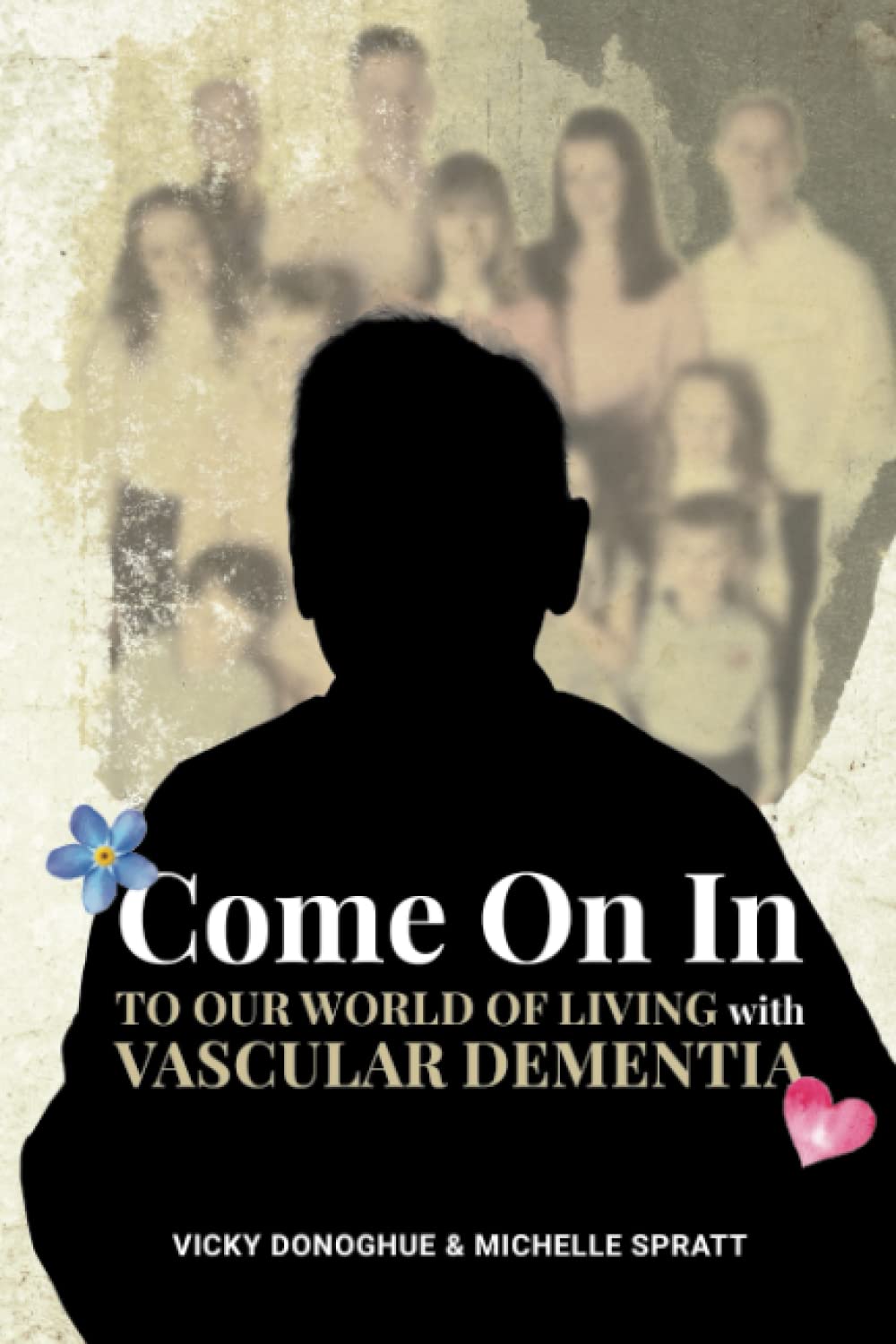
In the face of this surreptitious and potentially fatal adversary, it is imperative that we advocate for increased research, education, and support for individuals and their families grappling with vascular dementia. Only through heightened awareness and comprehension can we aspire to combat this silent intruder and save lives from its perilous grasp. “Come On In: To Our World Of Living With Vascular Dementia” can be helpful.
“Come On In: To Our World Of Living With Vascular Dementia“ vividly depicts the harsh reality of vascular dementia. Through evocative storytelling, heartfelt narrative, and a wealth of comprehensive information, Michelle and her mother graciously share their personal story–the struggle and challenges, offering consolation to families who are dealing with these serious illnesses.
More than just a story, this touching book serves as a lifeline, a powerful reminder that you are not alone in your struggle. Using their personal experiences as a starting point, Michelle and her mother warmly extend a helping hand, offering priceless counsel and deep understanding to effectively navigate the challenging terrain of vascular dementia. “Come On In” transcends mere words on pages; it stands as a symbol of hope, a testament to resilience, and a roadmap to finding light even in the darkest of caverns.