Imagine a silent intruder that creeps into your world, slyly pilfering treasured memories, reshaping personalities, and casting a gloomy shroud over the future. That intruder is vascular dementia, an unrelenting adversary that stealthily dismantles the very essence of a person.
But even in the face of this formidable foe, knowledge becomes a powerful ally, and comprehending vascular dementia marks the initial step toward managing its complexities.
In this heartfelt guide, we’ll embark on a profound journey into the enigmatic realm of vascular dementia, uncovering the roots of this condition, deciphering its cryptic symptoms, and navigating the challenging stages that define it.
The Mystery of Vascular Dementia: Unraveling the Threads:
Vascular dementia is a complex and debilitating neurological condition that arises when reduced blood flow to the brain, often due to conditions like stroke, small vessel disease, or atherosclerosis, leads to cognitive impairment. It is characterised by a decline in memory, thinking, reasoning abilities, and mood and behaviour changes. Unlike some other forms of dementia, vascular dementia’s progression can be somewhat unpredictable, with symptoms varying depending on which areas of the brain are affected by the reduced blood supply.
This condition not only challenges the affected individual’s cognitive functions but also profoundly impacts their quality of life and independence, making it a critical area of concern in the realm of neurodegenerative diseases. Understanding the nuances of vascular dementia is essential for both those living with the condition and their caregivers to provide the best possible care and support.
Causes of Vascular Dementia: Tracking Down the Culprits
Stroke: The most common instigator of vascular dementia, a stroke, is akin to a sudden, violent storm that disrupts the serene waters of the brain’s circulation, resulting in a fast decline in cognitive abilities.
Small Vessel Disease: Over time, the quiet corrosion of small blood vessels in the brain accumulates, stealthily eroding cognitive function. This silent, sub cortical vascular dementia is a subtle saboteur.
Atherosclerosis: Arteries, once flowing pathways, become constricted and rigid due to the encroaching buildup of plaque. The brain’s sustenance dwindles, nudging it towards the precipice of vascular dementia.
Mini-strokes (TIAs): Transient ischemic attacks, or mini-strokes, might be fleeting, but their cumulative impact is undeniable, increasing the peril of vascular dementia with each recurrence.
Vascular dementia is a shape-shifting enigma, cloaking itself in myriad symptoms that vary with the brain regions affected by the diminished blood flow. Among the common signs are:
Memory Loss: Though subtler than Alzheimer’s, memory lapses are recurring characters in the vascular dementia narrative.
Difficulty with Planning and Organization: Everyday tasks like managing finances or following recipes take on the guise of intricate puzzles.
Confusion and Disorientation: Even in the embrace of familiar surroundings, individuals with vascular dementia often find themselves ensnared in a labyrinth of confusion.
Mood and Personality Changes: Irritability, hopelessness, and mood swings can serve as early warning signals.
Language Problems: The struggle to unearth the right words or navigate conversations leaves loved ones in a perplexing silence.
Impaired Judgment: The capacity for sound decision-making may wane, sometimes leading to perilous choices.
Navigating the Uncharted Territories:
Understanding the stages of vascular dementia is akin to embarking on a journey into the unknown. While the course varies from person to person, here’s a broad sketch:
Early Stage: In the beginning, symptoms tiptoe in, often dismissed as mere quirks of ageing. Memory flutters and mild cognitive hiccups provide early hints.
Middle Stage: As vascular dementia gathers momentum, cognitive struggles come into sharper focus. Simple daily tasks morph into complex challenges, and moody storms roll through.
Later Stage: In the advanced chapters, individuals may depend entirely on caregivers. Communication stumbles, mobility falters, and the shadows of memory lengthen.
Vascular dementia is a formidable adversary, but knowledge, support, resources, early detection, and diagnosis can guide us through its turbulent seas. Moreover, a healthy lifestyle and adept medical management may halt its unrelenting progression.
However, it is essential to remember that you are never alone on this journey. The more we unravel the mysteries of vascular dementia, the better equipped we become to face its challenges with grace and empathy. Together, we can illuminate the often-neglected corridors of this condition, offering hope and solace to those navigating its intricate maze.
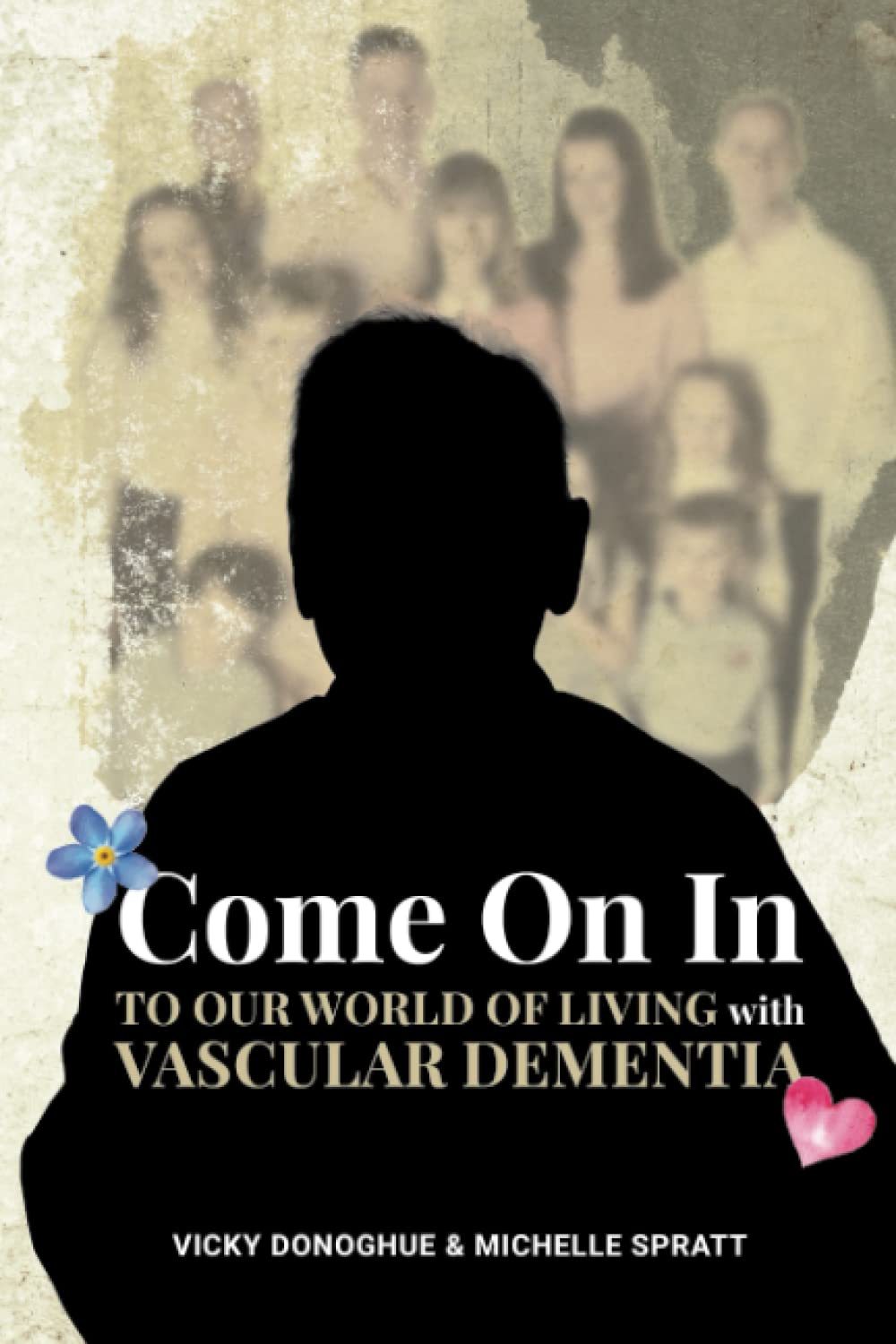
And if you’re yearning for a more profound exploration of this subject, we wholeheartedly recommend a touching and personal narrative, a collaborative effort by Michelle and Vicky, titled “Come On In.” Inside its pages, the authors share their personal stories, insights, and wisdom, extending a hand of comfort and guidance on this remarkable and challenging voyage that one often experiences while battling with Vascular Dementia. There is no easy way to prepare yourself for living with and caring for a loved one with vascular dementia. But there will always be a way to pave the way for the light to come and pierce the darkness.